

Medicinal plants: understanding, sharing, preserving
At the crossroads where plant biodiversity and our health meet: explore medicinal plants, their traditional uses and the projects that protect them.
From ancient times to the present day, medicinal plants have been used for centuries and have been the source of many discoveries that are essential to our health. Today, they are a cornerstone of the culture of thousands of indigenous peoples, who have turned them into allies and a heritage to be passed down. They are also the origin of many medicines and treatments whose effectiveness has been scientifically proven.
From the Amazon to the Sahel, from Indonesia to Madagascar, discover how Klorane Botanical Foundation is helping to preserve this unique knowledge and these incredible plants.
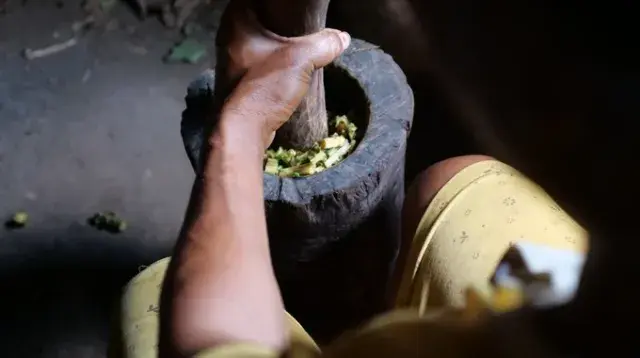
What is a medicinal plant?
A medicinal plant is a plant whose parts (leaf, bark, root, flower, fruit, resin, etc.) are traditionally used for healing ailments or for well-being.
In many parts of the world, these practices form part of traditional medicine, as defined by the World Health Organisation (WHO): a body of knowledge and practices originating in local cultures that is used to maintain health and treat certain health problems.
In concrete terms, a plant is referred to as a medicinal plant when the plant (or one of its parts) is recognised for traditional use and documented in references (monographs, pharmacopoeias). The WHO publishes monographs describing the botanical identity, traditional uses, precautions and quality criteria for widely used species. In France and Europe, there are lists and monographs that identify “traditionally used” plants and regulate plant-based preparations (quality, safety, labelling).
It is important to note that a medicinal plant (the plant material itself) is not automatically a herbal medicine. In Europe, herbal medicinal products are assessed and authorised according to strict rules: the European Medicines Agency (EMA) and the Committee on Herbal Medicinal Products (HMPC) define the concepts of herbal substances and preparation (powder, extract, tincture, etc.) and publish European monographs setting out the conditions of use.
In summary, a medicinal plant is first and foremost a documented cultural remedy and herbal medicines fall under a specific regulatory framework (quality, safety, public information).
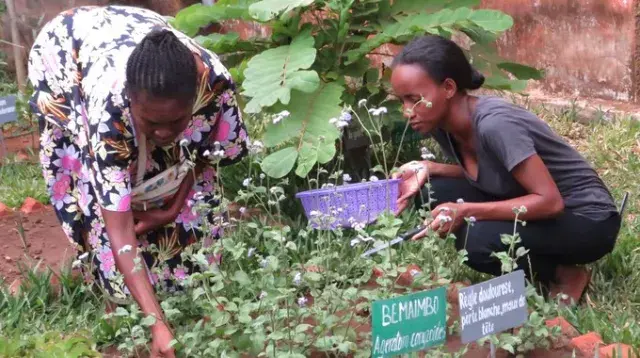
The importance of medicinal plants around the world
Medicinal plants are a pillar of health all over the world. According to the WHO, traditional, complementary and integrative medicine practices and products are used in 170 countries and are the first choice of care for millions of people, particularly in rural areas, as they are accessible, culturally rooted and affordable. The WHO stresses that their well-reasoned integration into primary healthcare systems can improve access to and equity of care.
They also play an important role in modern medicine, with around 40% of medicines being based on “natural products”, and several iconic treatments are derived from plants and traditional knowledge. Examples of this include aspirin (willow), quinine (cinchona) or artemisinin (Artemisia annua, Nobel Prize 2015).
This pioneering role comes with sustainability challenges. A significant proportion of plant ingredients is still collected from the wild plant population; a joint TRAFFIC/FAO/IUCN* report calls for responsible supply chains to protect biodiversity and community livelihoods.
In this context, the WHO Strategy 2025-2034 aims for safe and evidence-based integration: quality standards, regulation, research and benefit sharing so that medicinal plants contribute sustainably to both human health and the health of ecosystems.
* TRAFFIC is a wildlife trade monitoring network (cooperation between WWF and IUCN); IUCN is the International Union for Conservation of Nature (international NGO); FAO is the Food and Agriculture Organization of the United Nations.
Why does Klorane Botanical Foundation promote medicinal plants in its activities?
Because they are at the crossroads of protecting living organisms, cultures and health.
For over 30 years, the Klorane Botanical Foundation has made medicinal plants the focus of its priorities and projects in order to:
- Preserving plant biodiversity and environments. Many useful species are native and restricted to a certain place and form part of fragile ecosystems; including them in programmes (Ecuador, Indonesia, Madagascar, Sahel/Great Green Wall) makes it possible to combine conservation and habitat restoration efforts.
-
Disseminating reliable knowledge. Klorane Botanical Foundation helps to document and raise awareness of traditional uses in order to advance understanding and anchor these essential practices in a safe and sustainable framework, while promoting the knowledge of indigenous communities.
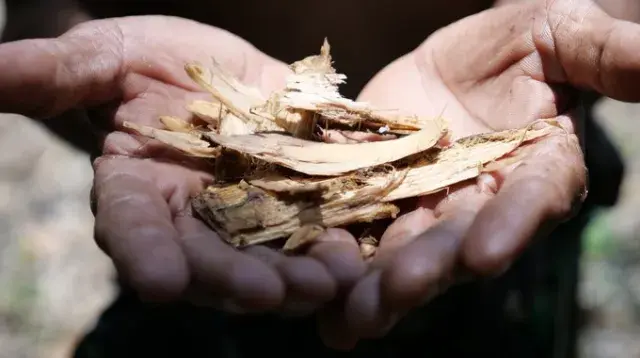
Several projects around the world illustrate this commitment:
-
In Ecuador, the planting of medicinal plant species and the training of Kichwa communities
-
In Indonesia, the development of a sustainable galangal industry and the passing on of ancestral knowledge
-
In Senegal, the planting of more than 100,000 desert date palms and research into new therapeutic applications
-
In Madagascar, the preservation of knowledge and the training of 2,000 villagers, 180 paramedical students and 180 traditional practitioners
-
In Uganda, the restoration of access to local medicinal plants for local people and promotion of how to use them via a dedicated book
SOME Medicinal plants from around the world
Here you will find our educational sheets on key plants in the countries where our partners operate.
From Madagascar periwinkle and Sahel date palm to Indonesian galangal and Ecuadorian dragon tree, you will learn all about their botanical characteristics and their many traditional uses!
Galangal
(Alpinia galanga)
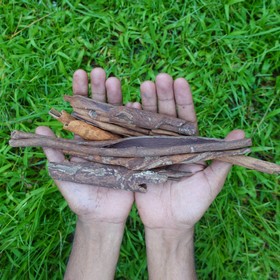
Indonesian cinnamon
(Cinnamomum burmannii)
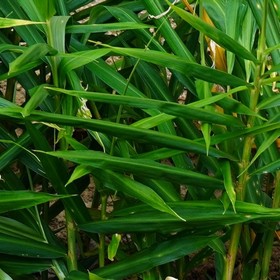
Ginger
(Zingiber officinale)
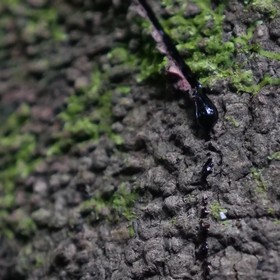
Cinchona
(Cinchona succirubra)

Dragon tree
(Croton lechleri)
Aloe Vera
(Aloe vera)
Madagascar periwinkle
(Catharanthus roseus)

Desert date palm
(Balanites aegyptiaca)
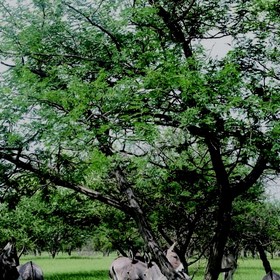
These plants are sometimes sought after for their effects on the skin or for their ability to relieve certain everyday ailments.
OUR FRENCH VIDEOS ON THE MEDICINAL PLANTS TOPIC


Where do a plant's healing properties lie?

The secrets of the Chinese peony
Training to provide better care.
The Art of Plant Mimicry
Where do a plant's healing properties lie?
The secrets of the Chinese peony
Training to provide better care.
The Art of Plant Mimicry
Health begins with plants.

Ecuador: Dragon’s Blood for Healing?

Galangal: a powerful rhizome

Indonesia: When the Future Takes Root at School!
Frequently asked questions about medicinal plants
The short answer is: Yes. For a number of species, the efficacy for specific uses is backed up by scientific data (clinical and laboratory tests, etc.), and summarised in monographs. They are therefore used in the composition of medicines or treatments that are then marketed after being authorised. Others are listed in the Pharmacopoeia, an official compendium that sets standards of botanical identity, quality and purity, and describes methods of analysis and officinal preparations, without conferring on them the status of medicinal product. Lastly, for other species, the uses are mainly traditional, sometimes documented over several centuries, but this does not necessarily translate into scientifically proven efficacy.
No. As with any active substance, they can cause adverse effects or interactions. Their preparation can also sometimes introduce contaminants (metals, pesticides). This is why professional advice and reliable supply are so important.
A medicinal plant is a botanical material used for its therapeutic properties. It can be used in various forms, such as infusions or local application of a part of the plant. Medicinal plants can also be used in food supplements (e.g. herbal capsules) or herbal medicines, each of which is subject to specific regulations. When used as medicines, their use and safety conditions are defined by monographs and a strict regulatory framework. Herbal medicines must be authorised by the health authorities, while food supplements are subject to less stringent regulations.
- Phytotherapy: the use of herbal preparations (infusions, powders, extracts, tinctures, etc.) obtained from leaves, flowers, roots, bark, fruit, etc.
- Aromatherapy: the use of essential oils (aromatic and volatile compounds obtained mainly by steam distillation or from citrus peel), by inhalation or application to the skin in diluted form, and, occasionally, taken orally.
- Link between the two : aromatherapy is often considered to be a branch of phytotherapy focusing on essential oils; it is distinguished by the nature (concentrated essences) and forms used.
- Medicinal plants: plants whose parts (roots, leaves, flowers, bark) are traditionally used to promote health and well-being.
- Aromatic plants: plants rich in fragrant essences (essential oils) that give them a distinctive smell/taste; many are used in cooking and can also be medicinal.
- Relationship between the two: the two categories overlap but must not be confused for the same thing; a plant can therefore be both aromatic and medicinal (e.g. thyme, mint, lavender), but not all aromatic plants are medicinal and not all medicinal plants are aromatic.
Phytotherapy uses plant materials or their preparations (infusions, powders, extracts, tinctures, etc.). Depending on the case, they may be food supplements (with no medical indication) or herbal medicinal products (subject to a regulatory framework), but not all of them have undergone clinical trials demonstrating their efficacy for a specific indication.
Conventional medicine is based on evaluated medicines: quality, safety and efficacy are established by a comprehensive dossier (substance control, standardisation, clinical trials, pharmacovigilance). Many of these medicines come from plants: aspirin (willow), quinine (cinchona), vincristine/vinblastine (Madagascar periwinkle), paclitaxel (yew), artemisinin (Artemisia annua). Pharmaceutical laboratories isolate the active molecule(s), purify/standardise them and then prove the efficacy and safety of the final product before authorisation.
In summary, the plant may be a common source for both approaches, but the difference lies in the degree of control, standardisation and clinical evidence required to claim a medical indication.
Since ancient times. The Ebers Papyrus (Egypt, approx. 1550 BC) lists hundreds of recipes and remedies based on plants. Other written traditions (Chinese and Greco-Roman monographs) attest to equally ancient practices.
The use of medicinal plants may present risks. Traditional uses do not constitute a therapeutic promise. Before any personal use, seek advice from a healthcare professional.

How can we teach children about the benefits of plants?
Raising children’s awareness of plant biodiversity and the many uses of plants is the aim of our budding botanist kits, a collection designed for teachers (Budding Botanist School Kit) and families (Junior Botany Kit)