

Everything you need to know about cinchona
Cinchona succirubra
A tree native to the Andes, famous for its invigorating and bitter bark, cinchona has played a significant role in the history of fever treatment and beverages. Its bark has long been used in traditional medicine.
Native to the Andes (Ecuador, Bolivia, Peru), red and yellow cinchona trees belong to the Rubiaceae family and grow in the mountains in the humid tropical climate. Modern pharmacological production has extracted quinine from it, a molecule used in many anti-malarial drugs.
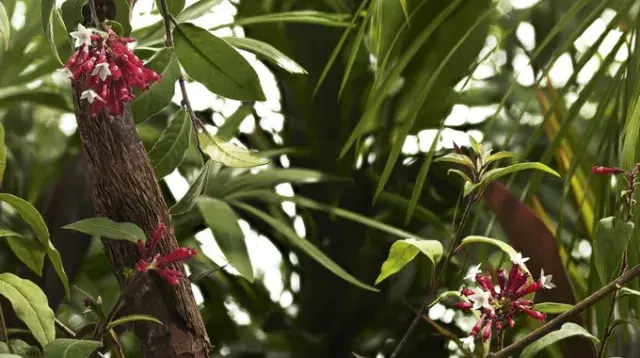
Cinchona fact file
-
Scientific name: Cinchona succirubra (syn. C. pubescens)
-
Family: Rubiaceae
-
Origin/distribution: Andes Mountains (Ecuador, Peru); 600–3,300 m altitude; hot and humid climate with abundant rainfall; also cultivated in South America, Africa and Asia.
-
Part used: dried bark (Cinchonae cortex), usually ground into powder.
-
Other names: the “fever tree” (Loxa/Loja region in Ecuador), “Jesuit powder” or “countess or cardinal powder” (European history).
The cinchona is a small tree whose bark provides an invigorating and bitter raw material, traditionally used in tonic drinks and medicinal preparations. It contains alkaloids (including quinine, quinidine, cinchonine and cinchonidine) and proanthocyanidins (cinchonains).
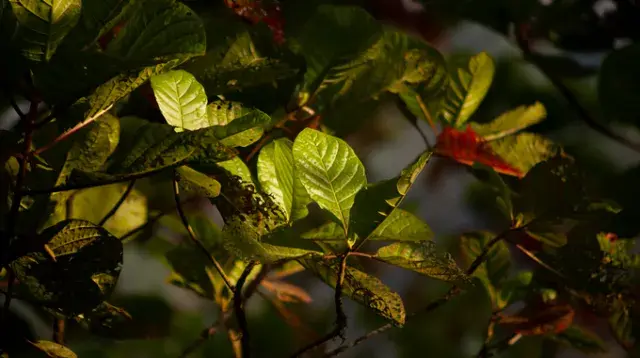
Botanical description
-
Height & growth habit: up to 10 m (trunk approx. 20 cm in diameter), upright branches.
-
Leaves: decussate, elliptical or oval, papery (thin and rigid) when dry; older leaves turn red.
-
Inflorescences & flowers: terminal cymes; corolla pink to purple, 9-14 mm tube with 5 lobes, inside white covered with white hairs.
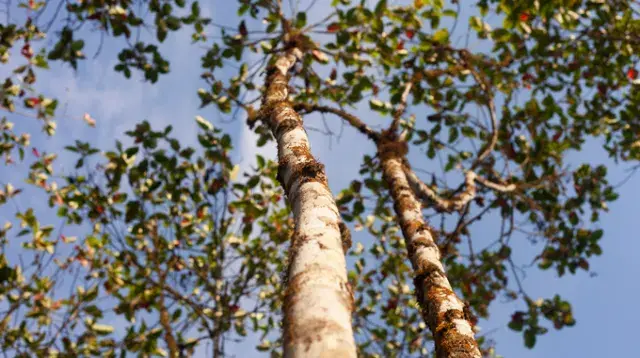
Ecology & habitat of cinchona
A species of the humid tropical mountains (Andes, Costa Rica), cinchona is found in Andean forests and plantations; its range of introduction extends to other tropical zones (Africa – Congo, Cameroon, Ivory Coast, and Asia) and it can be found as far away as Polynesia. In Ecuador, non-destructive bark harvesting practices (on 6-8 year-old branches, regeneration in 2-3 years) have been introduced to better preserve the trees.
Find out more about our project in the Ecuadorian Amazon focusing on medicinal plants.
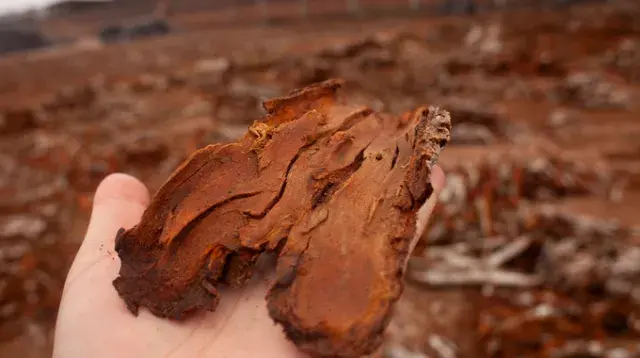
Traditional medicinal uses and benefits of cinchona
A large proportion of cinchona production is now destined for the food industry and the production of bitter tonics used in cocktails.
In terms of medicinal applications, cinchona is particularly known for its effects on:
- Fever and malaria: cinchona was used by the Incas and indigenous Andean populations long before the arrival of the Spanish colonists, but it was the Jesuits in Peru who recognised its effectiveness in treating fever in the 17th century. Its reputation as an anti-fever bark then spread throughout Europe, where it became known as “Jesuit powder”. It was even used to treat Louis XIV and his son, the Grand Dauphin. Its antimalarial properties would later cement its place in modern medicine. Since the 1960s, however, it has been replaced by chloroquine, a synthetic product.
- Appetite and weight gain: it is recommended in traditional medicine as an appetite stimulant and is generally recognised as facilitating weight gain.
- Scalp: traditionally used for itching and flaking of the scalp and to combat hair loss.
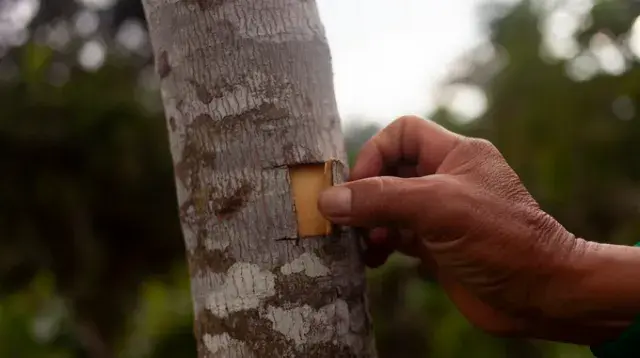
Cinchona or quinine: what is the difference?
- Cinchona is the plant whose bark (Cinchonae cortex) is used.
- Quinine is an alkaloid, a component naturally present in this bark (alongside quinidine, cinchonine and cinchonidine); it is a molecule that has historically been isolated and used as a medicine.
FAQs
In traditional uses, the cinchona's bark is known to stimulate the appetite. It has also historically been associated with fighting fever (fever reducer) and malaria (natural antimalarial). Finally, it is traditionally used to relieve itching and flaking of the scalp and to combat hair loss.
Red cinchona refers to C. succirubra (syn. C. pubescens); yellow cinchona refers to C. ledgeriana (or C. calisaya), both are listed for their bark in the European Pharmacopoeia. There is also grey cinchona (C. officinalis), a shrub endemic to southern Ecuador.
Yes, even though quinine has been replaced by chloroquine in antimalarial drugs, it is still found in bitter tonic drinks and bitter aperitifs, and therefore in many popular cocktails, and in scalp-stimulating products.
The use of medicinal plants may present risks. Traditional uses do not constitute a therapeutic promise. Before any personal use, seek advice from a healthcare professional.
To go even further
Browse our “Medicinal plants” page: illustrated fact sheets, videos and projects, from the Amazon to the Sahel.