

Everything you need to know about Indonesian cinnamon
Cinnamomum burmannii
An aromatic bark of a tree belonging to the Lauraceae family, Indonesian cinnamon can be recognisable by its spicy, sometimes bitter notes, and its many in traditional medicine.
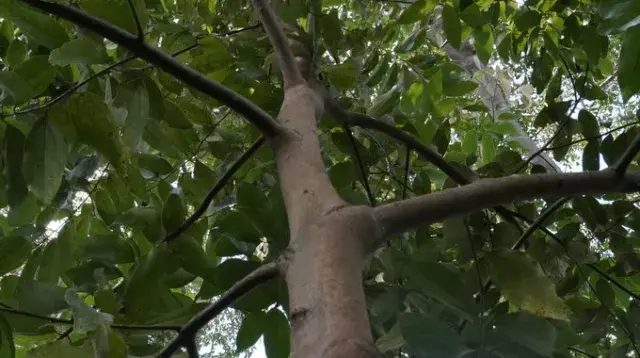
A tropical rainforest tree, Cinnamomum burmannii grows at high altitudes in Indonesia. Its bark, dried into sticks or ground into powder, is used to flavour traditional drinks, pastries and dishes, and is also used in herbal medicinal preparations. It also plays an important ecological role, providing a habitat for wildlife and stabilising the soil against erosion.
Fact file
-
Scientific name: Cinnamomum burmannii
-
Family: Lauraceae
-
Common names: Kayu manis (Indonesia), Kazu Manu (Flores), padang cinnamon
-
Origin/distribution : Indonesia (western Sumatra, Jambi, Bengkulu, Kalimantan), cultivated as far as Nusa Tenggara (including Flores)
-
Habitat: tropical rainforests, between 500 and 1,500 m above sea level
-
Parts used: bark (sticks, powder); leaves depending on local usage
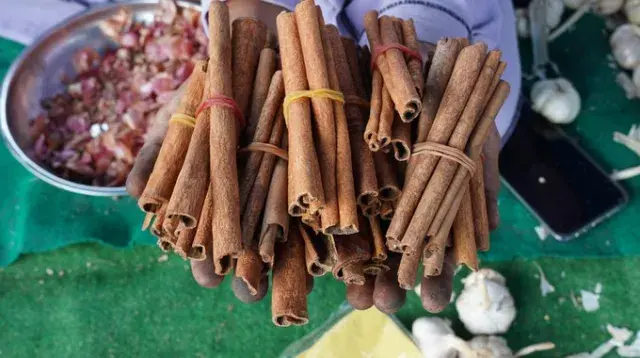
A species of Lauraceae that produces the spice “Indonesian cinnamon”, C. burmannii can be recognised by its aromatic reddish-brown bark and strong, spicy, slightly bitter taste. It is found in sticks of varying thickness and in powder form for cooking and various traditional drinks with medicinal properties.
Botanical description
-
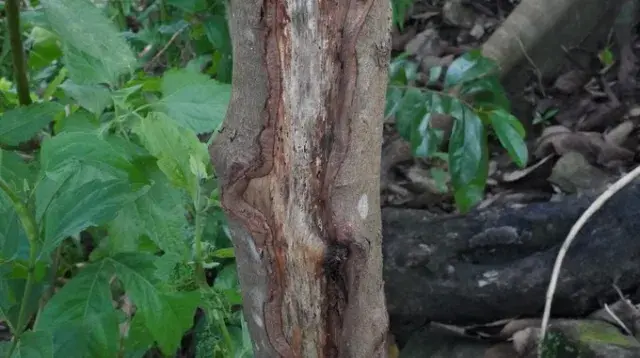
Growth habit and dimensions: tree 10-15 m, trunk 20-40 cm in diameter.
-
Bark: thick, reddish-brown, very aromatic.
-
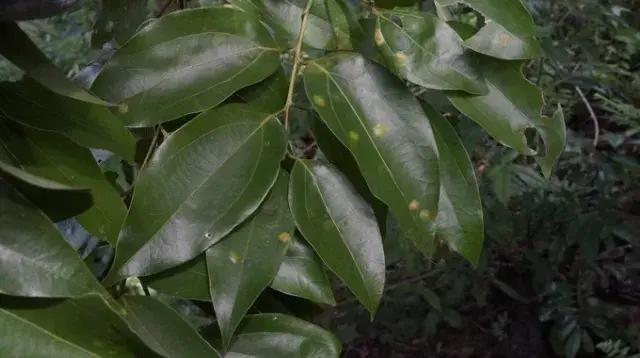
Leaves: simple, elliptical, dark green above/light green below, aromatic when crushed.
Ecology and habitat of the Indonesian cinnamon
In high-altitude tropical rainforests, Indonesian cinnamon helps to maintain soil moisture through its canopy, stabilises slopes via its root system and creates microhabitats for small animals. It forms part of local agroforestry mosaics.
Medicinal and culinary uses of Indonesian cinnamon
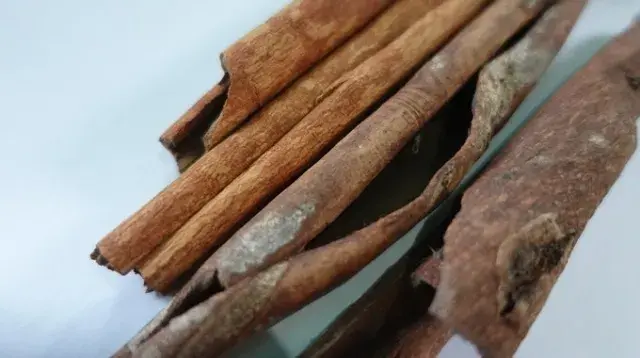
In cooking, the dried bark is used in stick or powdered form in traditional drinks, pastries and spiced dishes. The plant is also regularly used in cosmetics, perfumes and aromatherapy products.
In traditional medicinal preparations, Indonesian cinnamon is consumed as a herbal teas and in herbal remedies. Rich in active compounds such as cinnamaldehyde and eugenol, it is commonly used for:
- Digestion: Traditionally used to stimulate the appetite and aid digestion.
- Respiratory tract: Traditionally used to treat colds, coughs and flu, for its presumed antiviral and antibacterial properties.
- Joints: It is reputed to relieve joint pain and rheumatism thanks to its anti-inflammatory action.
- Metabolism: Traditionally associated with an anti-diabetic effect (lowering blood sugar levels), and an ability to reduce cholesterol and blood pressure.
Ceylon, Chinese, Amazonian and Indonesian cinnamon: what are the differences?
Several species in the same family produce cinnamons with similar culinary and medicinal uses but distinct profiles:
- Ceylon cinnamon/“true cinnamon” — Cinnamomum verum (syn. zeylanicum) :thin, brittle sticks, golden yellow in colour, known for their sweetness and aroma. Used in rolls or powder form for cooking, confectionery or drinks. The essential oil extracted from its bark is reputed to stimulate the heart and respiratory system. It is also thought to have a powerful antimicrobial effect.
- Chinese cinnamon/“false cinnamon”— Cinnamomum cassia or aromaticum : spicier, more bitter but also less expensive, it is the second most widely produced cinnamon in the world. It mainly comes from China and southern Vietnam.
- Amazonian cinnamon — Ocotea quixos : from the same Lauraceae family, but a different genus (the Ocotheae), it is produced by the ishpink, a perennial tree that grows in the Ecuadorian Amazon. Its leaves and calyces are distilled into essential oil, which is valued for its traditional medicinal uses linked to its antifungal and antioxidant properties (stress regulation, immune defence and digestive aid).
Discover our project in Ecuador with our partner Ishpingo, focusing on medicinal plants.
Where is Indonesian cinnamon found?
Occurring naturally in tropical rainforests at altitudes of 500 to 1,500 m, C. burmannii grows in Southeast Asia (Bangladesh, Myanmar, southern China, Vietnam), with a major focus in Indonesia (provinces of West Sumatra and Jambi, Java, Borneo, Sulawesi, Nusa Tenggara – Flores).
Find out more about our work in Indonesia, on Flores, around medicinal plants with our partner Cœur de Forêt.
FAQs
Indonesian cinnamon has a strong, spicy, slightly bitter taste, ideal for traditional drinks, pastries and dishes. It is available in stick and powder form.
All cinnamon contains coumarin, but the amount varies from one variety to another and depending on the production and processing methods. It is higher in some types of cinnamon, such as Indonesian cinnamon (C. burmannii), and lower in others, such as Ceylon cinnamon (C. verum). Always seek the advice of a healthcare professional before use.
Indonesian cinnamon is traditionally used to treat digestive problems (appetite, digestion), respiratory tract symptoms (colds, coughs, flu) and joint issues (pain, rheumatism).
Ceylon cinnamon is another species (C. verum), with thin, brittle sticks and a sweet, aromatic flavour; Indonesian cinnamon (C. burmannii) produces thicker sticks with a stronger taste.
In Ecuador, this is the name given to ishpingo (Ocotea quixos), a Lauraceae tree whose leaves and calyces are distilled to produce essential oil.
The use of medicinal plants may present risks. Traditional uses do not constitute a therapeutic promise. Before any personal use, seek advice from a healthcare professional.
To go even further
Browse our “Medicinal plants” page: illustrated fact sheets, videos and projects, from the Amazon to the Sahel.