

Everything you need to know about ginger
Zingiber officinale
An aromatic plant of the Zingiberaceae family, ginger is renowned for its spicy, lemony flavour, which is appreciated in cooking and has long been used in traditional medicine.
Native to Southeast Asia, Zingiber officinale is now grown in many tropical countries. Its rhizome flavours drinks, dishes and pastries, and is also used in herbal medicinal preparations, particularly for digestion and nausea.
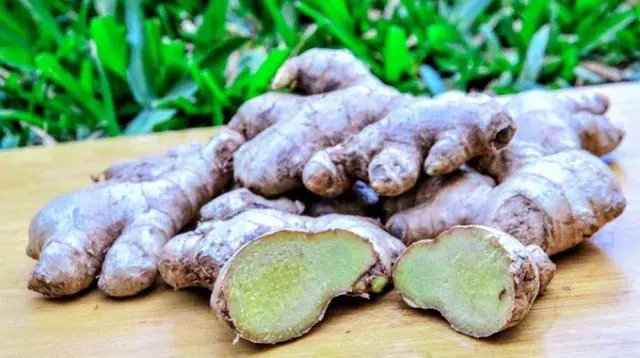
Ginger fact file
-
Scientific name : Zingiber officinale
-
Family: Zingiberaceae
-
Common names: Halia (Indonesia), Sakamalao (Madagascar), Ajirinri (Kichwa, Ecuador)
-
Origin/distribution: Southeast Asia, Malaysia, Indonesia, Australia, Africa, Ecuador.
-
Habitat: tropical undergrowth, gardens and cultivated plots
-
Part used: rhizome (fresh, dried, candied, powder)
A spicy rhizome with a spicy, lemony aroma, ginger is a key ingredient in Asian and other cuisines (drinks/infusions, curries, stir-fries, pastries).
In many regions, it is also one of the plants traditionally used to aid digestion and relieve nausea.
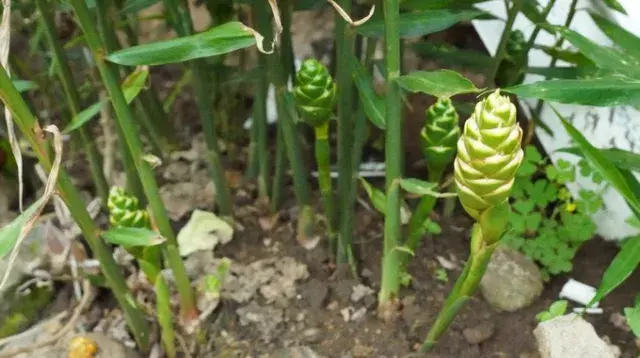
Botanical description
-
Growth habit: grows in clumps with pseudostems; height from 30 cm to 1 m depending on the soil and cultivation.
-
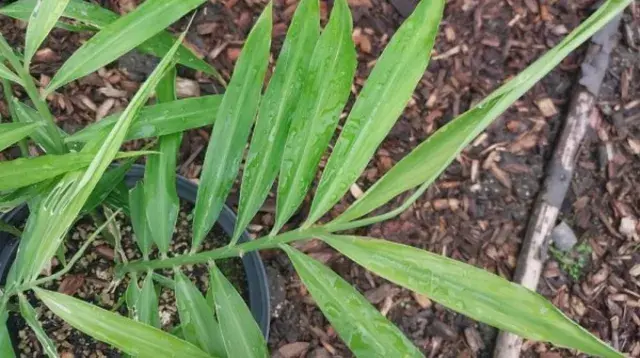
Leaves: narrow and lanceolate, arranged in two alternating rows, with glossy green blades.
-
Inflorescences/flowers: compact spikes bearing yellow to greenish-yellow flowers.
-
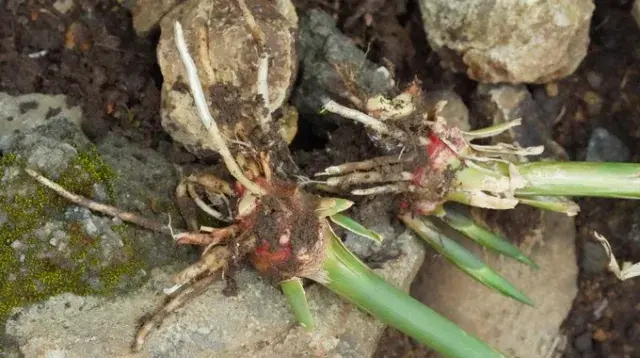
Rhizome: tuberous and branched, rich in aromatic compounds (including gingerols/shogaols).
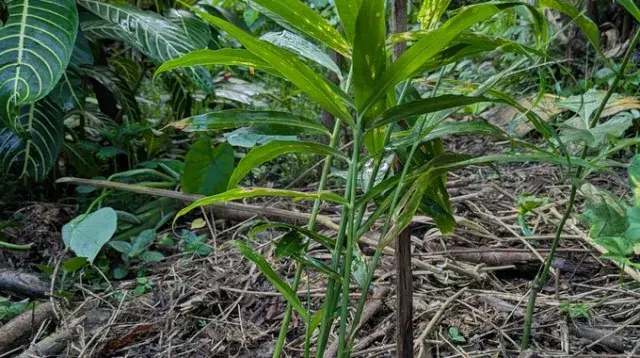
Ecology and habitat of ginger
A plant found in tropical forests and humid clearings, ginger is grown in gardens and small plots. It contributes to ground cover, maintains a local microclimate and provides microhabitats for small wildlife within agroforestry systems.
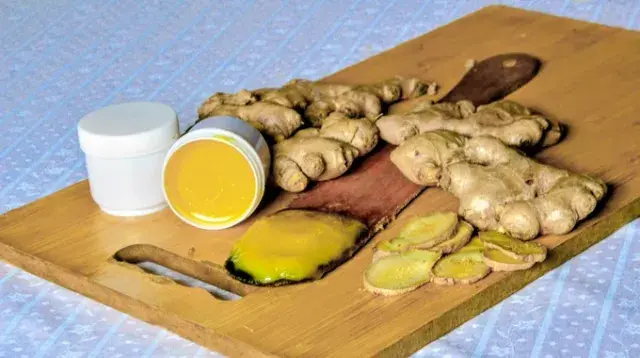
Medicinal and culinary uses of ginger
In cooking, the rhizome can be used fresh, dried or powdered for drinks, infusions, stir-fries, curries, marinades and pastries.
In traditional medicine, depending on the region, it can be prepared as herbal teas, decoctions, poultices or combined with other plants. It is commonly used for:
- Nausea: traditionally used to help relieve nausea (including motion sickness).
- Digestion: reputed to improve digestive comfort and stimulate the appetite, as well as treating stomach upsets and colic.
- Joints & muscles: traditionally used for joint and muscle comfort (applied externally or drunk, depending on the practice), particularly to relieve aches and pains.
- Respiratory tract: in some traditions, used for colds, coughs and flu-like conditions.
- Anti-venom: in In the Ecuadorian Amazon, it is applied as a poultice to minor snake bites.
Ginger or galangal: what’s the difference?
Although they belong to the same family (Zingiberaceae), these two plants have distinct profiles:
- Ginger (Z. officinale) : spicy, lemony flavour, yellow flowers; strongly associated in traditional medicine with nausea and digestive comfort.
- Galangal (Alpinia galanga) : camphor-peppery aroma, greenish flowers with red veins; more often cited for digestive comfort and skin/scalp applications.
Discover the episode of our “Faux pas pousser” [Don’t Exaggerate] video series devoted to the differences between galangal and ginger.
Uses of ginger by region
- Indonesia (Flores): 3 vernacular sub-varieties of ginger: Gajah (var. macrorhizobium, grown as an agricultural product for export), Emprit (var. amarum, most appreciated for its spicy taste and medicinal properties) and Red Ginger(var. rubrum, whose essential oil is particularly renowned).
-
Madagascar : known as Sakamalo, ginger has a wide range of traditional uses (digestive, anti-emetic, respiratory, joints).
-
Ecuadorian Amazon (Kichwa population): Ajirinri is reputed for its digestive and respiratory uses, its anti-venom properties and the preparations associated with women’s health. It is also used for household upkeep.
Discover our commitments and initiatives relating to medicinal plants in the countries where it is grown:
- In Ecuador, working with the Kichwa people and secondary school students to preserve ancestral medicinal knowledge
- In Indonesia, on the island of Flores, working to establish responsible supply chains and pass on knowledge from elders to young schoolchildren
- In Madagascar, training traditional healers and villagers
Where can it be found today?
Native to Southeast Asia, ginger (Zingiber officinale) is widely cultivated in tropical regions (Malaysia, Indonesia, Ecuador, etc.) and has spread as far as Australia and Africa. It grows mainly in gardens and plots within agroforestry systems.
©Chérif-Jacques Allali (licence CC BY-SA 2.0)
FAQs
Ginger has a spicy, fresh, lemony flavour that enhances drinks and infusions as well as dishes and pastries.
Ginger is traditionally used for the treatment of nausea (motion sickness, anti-vomiting) and digestive comfort (antispasmodic); in addition, depending on the region, antibacterial, anti-inflammatory or analgesic properties.
Galangal and ginger belong to the same family but they have different aromas and uses: ginger is lemony and spicy, and is widely associated with nausea; galangal has camphor-peppery taste, and is more commonly used for digestive comfort and skin applications.
We only use the rhizome of ginger, which can be consumed fresh, dried, candied or powdered, or used to extract essential oil.
Yes, local varieties of Zingiber officinale are used in Indonesia: Gajah, Emprit and Red Ginger.
The term “blue ginger” can refer to an ornamental plant with blue flowers, Dichorisandra thyrsiflora, which is not a culinary ginger, or to edible ginger (Zingiber officinale), particularly that grown in Madagascar, the flesh of which has a bluish ring, without this affecting its culinary or medicinal use.
These names are vernacular and do not refer to true ginger (Zingiber officinale). “Mango ginger” refers to Curcuma amada or mangga (Zingiberaceae), a turmeric with a fragrant rhizome reminiscent of mango. “Saffron ginger” or “safran péi” is the local name on Réunion for Curcuma longa (turmeric), a rhizome with an orange-pink pulp and a sweet flavour. “Wild ginger” is the name given to Asarum canadense (Aristolochiaceae), a plant unrelated to true ginger, which smells like ginger but is poisonous.
In botanical nomenclature, the word that follows the scientific name is the author of the name (botanical author). “Roscoe” refers to William Roscoe, the 19th-century British botanist who published the description of cultivated ginger. “Roscoe” or “Rosc.” therefore does not indicate a particular variety or use, but is simply the scientific attribution of the species name.
The use of medicinal plants may present risks. Traditional uses do not constitute a therapeutic promise. Before any personal use, seek advice from a healthcare professional.
To go even further
Browse our “Medicinal plants” page: illustrated fact sheets, videos and projects, from the Amazon to the Sahel.